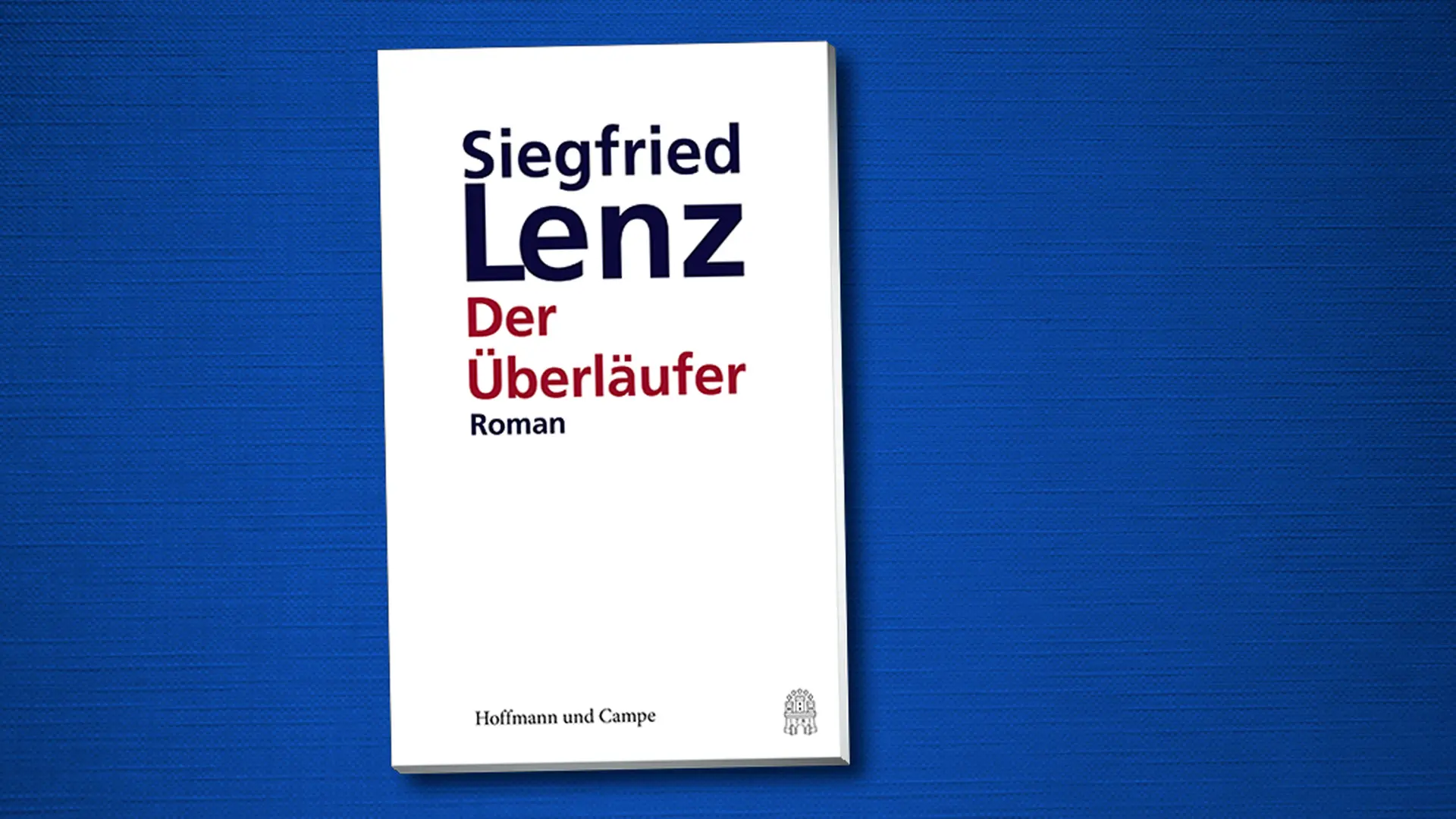
Siegfried Lenz: The Real Story Behind Der Überläufer's Wartime Defection
Siegfried Lenz's novel, Der Überläufer (The Deserter), has captivated readers for decades with its harrowing depiction of a young German soldier's moral awakening on the Eastern Front during World War II. First published posthumously in 2016, the book plunges into the psychological turmoil of war, forcing its protagonist, Walter Proska, to confront questions of duty, conscience, and betrayal. But beyond the compelling narrative, many readers delve deeper, asking: What is the Der Überläufer Wahre Geschichte? Does this powerful tale of defection mirror the author's own wartime experiences?
The quest for the "true story" behind literary works often unearths fascinating connections between an author's life and their creations. In the case of Siegfried Lenz, a renowned figure in post-war German literature, his personal history during WWII provides a compelling backdrop that undeniably informed the themes and tensions within Der Überläufer. While the novel is a work of fiction, its exploration of individual choice in the face of immense moral pressure resonates deeply with the challenging realities faced by many Germans, including Lenz himself.
The Labyrinth of Conscience: Walter Proska's Fictional Ordeal
At the heart of Der Überläufer lies the intense, visceral experience of Walter Proska. A young soldier from Lyck in East Prussia, Proska is assigned to a small unit tasked with securing a train line in a desolate forest stronghold on the Eastern Front during the final, brutal summer of the war. The conditions are relentlessly hellish: sweltering heat, relentless mosquito swarms, and constant attacks from partisans. Isolated and seemingly abandoned by their own command, the soldiers find themselves caught in a deteriorating situation where the orders from their commanding non-commissioned officer become increasingly inhumane and devoid of purpose.
Amidst this physical and psychological torment, Proska and his comrades grapple with their own sanity. Some descend into madness, others pursue futile obsessions, like a desperate struggle against a giant pike. For Proska, however, the conflict is primarily internal. He is tormented by fundamental questions that cut to the core of human morality: What holds greater weight—duty or conscience? Who is the real enemy in this senseless war? Is it possible to act without incurring guilt? And, haunting his thoughts, is the elusive Polish partisan girl, Wanda, who challenges his loyalties and stirs a different kind of longing. His journey is a profound exploration of an individual's struggle to maintain humanity and make ethical choices within an utterly dehumanizing system. To understand more about the moral complexities Lenz explores, consider reading Der Überläufer: Unpacking the True Wartime Morals of Lenz's Novel.
Siegfried Lenz's Reality: A Defector's Own Journey
While Walter Proska's narrative is fictional, the echoes of Siegfried Lenz's own biography are unmistakable and crucial to understanding the novel's authenticity. Born the son of a customs officer, also in Lyck, East Prussia, Lenz experienced firsthand the geopolitical realities that shaped his protagonist's origin. After completing his graduation exams in 1943, he was drafted into the German navy, a common fate for young men of his generation.
However, the most significant revelation concerning Lenz's wartime past came in June 2007, when documents indicated that he may have joined the Nazi party on July 12, 1943. This detail adds a layer of complexity to his personal history, highlighting the pervasive pressure and difficult choices individuals faced in Nazi Germany. What is unequivocally confirmed, and perhaps even more relevant to Der Überläufer's core theme, is that Lenz himself became a defector. Shortly before the end of World War II, he deserted the German forces and made his way to Denmark. Following his defection, he was taken as a prisoner of war in Schleswig-Holstein.
Lenz's personal act of defection, his rejection of the war, and his subsequent experience as a POW provide a stark, real-life parallel to Proska's fictional journey. This personal experience undoubtedly imbued Lenz with a deep understanding of the moral quandaries, the fear, and the profound sense of alienation that permeate his novel. For a deeper dive into the author's personal history, explore From Nazi Party to Defector: Siegfried Lenz and the Truth of Der Überläufer.
Bridging Fiction and Fact: The "True Story" of Der Überläufer
So, what exactly is the Der Überläufer Wahre Geschichte? It's not a literal autobiographical account of Siegfried Lenz's wartime experiences in the form of Walter Proska. Rather, it is a profound testament to how an author's lived reality and deeply personal reflections can give rise to a fictional narrative that feels profoundly true.
Lenz's own defection, his firsthand exposure to the machinery of war, and the moral compromises it demanded, provided the raw material and emotional intelligence necessary to craft Proska's story. While Proska's specific unit, the desolate train line, and his encounters with Wanda are products of Lenz's imagination, the underlying themes of disillusioned soldiers, increasingly absurd orders, and the desperate search for an escape from a morally bankrupt war are reflections of the broader historical truth experienced by millions, including Lenz.
The "true story" therefore lies in the novel's ability to articulate the universal human struggle for conscience and individual agency in the face of overwhelming state power. Lenz masterfully translated his understanding of wartime psychology and ethical dilemmas into a compelling narrative, making Der Überläufer a powerful historical novel that resonates far beyond its specific setting. It serves as a reminder that even in the most extreme circumstances, individuals are often forced to choose between loyalty and morality, often with devastating personal consequences. The novel's strength is its ability to make these complex choices palpable and relatable for the reader, drawing upon the emotional truth of the era.
The Enduring Legacy: Why Lenz's Story Resonates Today
Siegfried Lenz, through Der Überläufer, offers more than just a war story; he presents a timeless examination of the human condition under duress. The questions Proska grapples with – about duty, conscience, and the true enemy – are not confined to the battlefields of World War II. They are universal queries that surface in various forms throughout history and in contemporary society. The novel prompts readers to consider:
- The Nature of Obedience: When do orders become immoral, and what is an individual's responsibility to resist them?
- The Price of Silence: What are the consequences of remaining passive in the face of injustice?
- Defining Loyalty: To whom or what do we owe our ultimate allegiance – a nation, an ideology, or our own moral compass?
- The Psychological Scars of Conflict: How does prolonged exposure to violence and moral degradation impact the human psyche?
Lenz's powerful narrative offers valuable lessons, encouraging critical thinking about authority, the fragility of morality in extreme situations, and the enduring importance of individual conscience. For anyone seeking to understand the deep-seated moral quandaries of WWII from an individual perspective, or simply drawn to intense character studies, Der Überläufer stands as a monumental work. It challenges us to look beyond simplistic narratives of heroism and villainy, offering a nuanced view of the impossible choices faced by ordinary people caught in extraordinary circumstances.
The "true story" behind Siegfried Lenz's Der Überläufer is not a mere recounting of historical events but a testament to the profound impact of personal experience on literary creation. Lenz’s own wartime defection, combined with his unparalleled ability to distill complex moral dilemmas into a compelling narrative, gives Walter Proska’s fictional journey an undeniable authenticity. It is a novel that doesn't just describe history but immerses the reader in the moral and psychological landscape of a soldier grappling with his conscience at the end of a devastating war. Thus, the Der Überläufer Wahre Geschichte is less about specific facts and more about the universal, agonizing truth of individual moral struggle amidst the chaos of conflict, expertly crafted by an author who knew its profound weight firsthand.