Der Überläufer: Unpacking the True Wartime Morals of Lenz's Novel
Siegfried Lenz's novel, Der Überläufer (The Defector), is a profoundly moving and disturbing exploration of moral ambiguity set against the brutal backdrop of World War II's Eastern Front. While not a literal Der Überläufer wahre Geschichte (true story) in terms of specific characters or events, the novel deeply delves into the universal human truths and agonizing ethical dilemmas faced by countless individuals during that catastrophic period. It's a fictional narrative steeped in historical realism and psychological insight, offering a window into the existential crises that defined a generation.
First written in 1951 but only published in 2016 due to its controversial themes, Der Überläufer chronicles the descent of young German soldier Walter Proska into a moral labyrinth where the lines between duty, survival, and conscience become terrifyingly blurred. This article will dissect the novel's core themes, connecting them to the historical context of WWII and the author's own life experiences, to reveal the profound "truth" that lies at its heart.
The Eastern Front's Crucible: Where Morals Were Forged and Broken
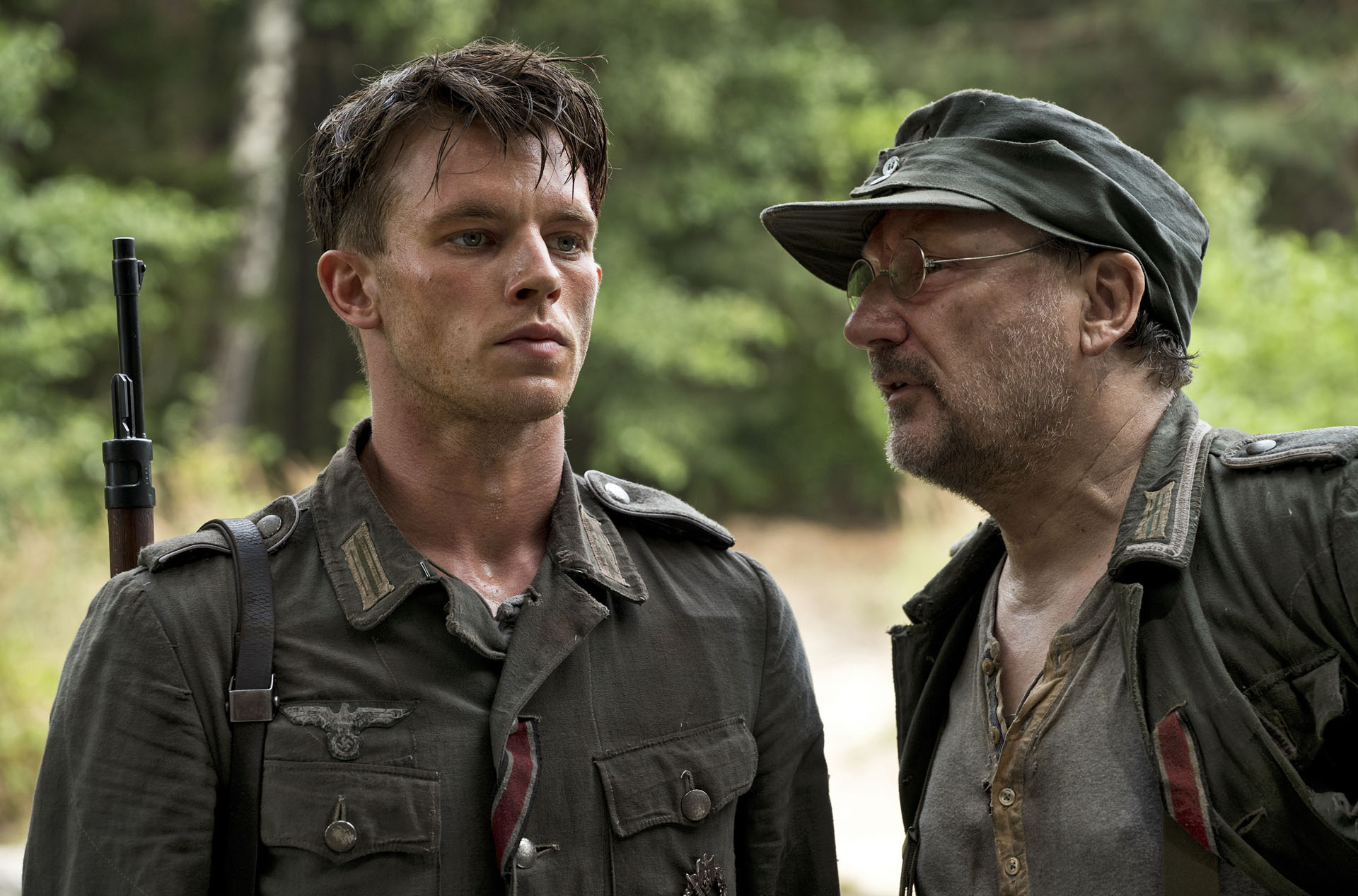
Lenz immediately plunges the reader into the suffocating reality of the Eastern Front in the final summer of the war. Walter Proska, a soldier from Lyck, Masuria, is assigned to a small, isolated unit tasked with securing a vital train line. They are holed up in a makeshift forest fortress, battling not only the relentless partisan attacks but also the oppressive heat and incessant swarms of mosquitoes. It's a landscape of sensory overload and constant threat, designed to strip away all vestiges of normalcy and humanity.
The unit's situation is dire: abandoned by their own command, their orders become increasingly senseless and cruel. The camaraderie that might sustain soldiers in other circumstances fragments under the pressure. Lenz masterfully portrays the psychological toll:
- Demoralization: The feeling of being forgotten and sacrificed by their own side erodes discipline and purpose.
- Senselessness of Orders: The commanding non-commissioned officer issues commands that are not only inhumane but also strategically meaningless, forcing soldiers to question the very basis of their service.
- Escape Mechanisms: Each soldier copes differently – some descend into madness, others into a death wish, and one becomes obsessively fixated on an unwinnable battle against a monstrous pike in a nearby stream. These desperate acts highlight the extreme psychological pressure they endure.
This environment is the perfect breeding ground for moral decay, forcing Proska to confront uncomfortable questions about his role and identity.
Walter Proska's Conscience: Navigating the Abyss Between Duty and Humanity
At the heart of Der Überläufer is Walter Proska's profound internal struggle. He is a soldier thrust into an impossible situation, where the established moral codes of society crumble under the weight of war. Lenz poses urgent, timeless questions through Proska's tormented mind:
- What is more important: Pflicht (duty) or Gewissen (conscience)? This is the central conflict. Proska's orders demand actions that increasingly violate his personal sense of right and wrong. He grapples with the immense pressure to conform versus the imperative to remain human.
- Who is the true enemy? Is it the partisans attacking their position, or the system that sends them to their pointless deaths? Is it the commanding officer whose orders are monstrous, or the enemy combatants on the other side? This blurring of lines challenges the very concept of "the enemy" in total war.
- Can one act without becoming guilty? In a war where survival often depends on morally compromising choices, Proska seeks a path to retain his integrity, even if it means betraying his oath.
Proska's burgeoning relationship with Wanda, a Polish partisan girl, further complicates his moral landscape. She represents a different path, a connection to humanity outside the confines of military duty and ideological conflict. Her presence forces him to confront his loyalties and desires, pulling him further away from the German war effort and towards a personal truth. The search for Wanda becomes symbolic of his search for meaning and a way out of his moral quagmire.
Siegfried Lenz's Own Journey: Echoes of "Der Überläufer Wahre Geschichte"
While Der Überläufer is a work of fiction, its raw authenticity and the depth of its moral questioning are undeniably influenced by Siegfried Lenz's own experiences during World War II. Born in Lyck, East Prussia (the same origin as Proska), Lenz was drafted into the German navy in 1943 after graduating. This personal proximity to the conflict gives his narrative a powerful resonance.
Perhaps the most striking connection to the novel's title and themes lies in Lenz's own biography: according to documents released in 2007, he may have joined the Nazi party in July 1943. Crucially, shortly before the war's end, Lenz defected to Denmark, an act that led to him becoming a prisoner of war in Schleswig-Holstein. This real story behind Der Überläufer's wartime defection is a compelling parallel to Proska's internal and external struggle against the system he serves.
Lenz's personal experience of potentially being part of the Nazi machinery, then choosing to defect, provides an invaluable truth of Der Überläufer that transcends the fictional plot. It lends an autobiographical gravitas to the novel's central inquiry into duty, conscience, and the ultimate act of betrayal – or self-preservation – that is defection. His novel, therefore, becomes a form of profound self-reflection, a literary processing of the ethical tightropes he himself had to walk. This connection illuminates why the novel feels so viscerally real; it's a fictional narrative imbued with the authentic moral weight of a man who lived through similar dilemmas.
Timeless Echoes: Lessons from Lenz on Ethical Choices in Conflict
Der Überläufer, though set in a specific historical moment, offers timeless insights into the human condition under duress. It's more than just a war story; it's a universal parable about moral responsibility.
Here are some enduring lessons and actionable takeaways from Lenz's powerful narrative:
- The Importance of Individual Conscience: The novel powerfully argues for the imperative of personal conscience, even when pitted against overwhelming authority or societal expectations. It reminds us that blindly following orders can lead to profound moral compromise.
- Questioning Authority: Lenz encourages critical thinking about the directives issued by those in power. When does obedience become complicity? When does dissent become a moral obligation?
- Empathy for the "Other": Through Proska's evolving perspective and his relationship with Wanda, the novel challenges simplistic notions of enemy and ally, fostering empathy for those on all sides of a conflict.
- The Dehumanizing Effects of War: Beyond the physical destruction, Lenz illustrates how war erodes humanity, turning individuals into cogs in a machine and stifling compassion. Recognizing these effects is crucial for understanding historical conflicts and preventing future ones.
- The Complexity of Moral Choices: There are rarely easy answers in extreme situations. The novel teaches us to sit with ambiguity, to understand that people make difficult choices for complex reasons, and to reserve judgment where context is paramount.
These lessons are vital not only for understanding history but also for navigating contemporary ethical challenges in politics, society, and personal life. Lenz's work compels readers to reflect on their own moral compass and the courage it takes to follow it.
Conclusion
Siegfried Lenz's Der Überläufer is a literary masterpiece that transcends its historical setting to deliver a potent examination of wartime morality. It is not a Der Überläufer wahre Geschichte in the sense of a factual chronicle, but it unearths the deeper truths of human experience during conflict: the struggle between duty and conscience, the erosion of humanity, and the desperate search for meaning amidst chaos. Proska's journey, mirrored by aspects of Lenz's own life, serves as a harrowing reminder of the individual's burden in times of collective madness. The novel's belated publication allowed its powerful message to finally resonate, cementing its place as an essential work of German literature that challenges readers to confront uncomfortable questions about war, morality, and the enduring strength of the human spirit.